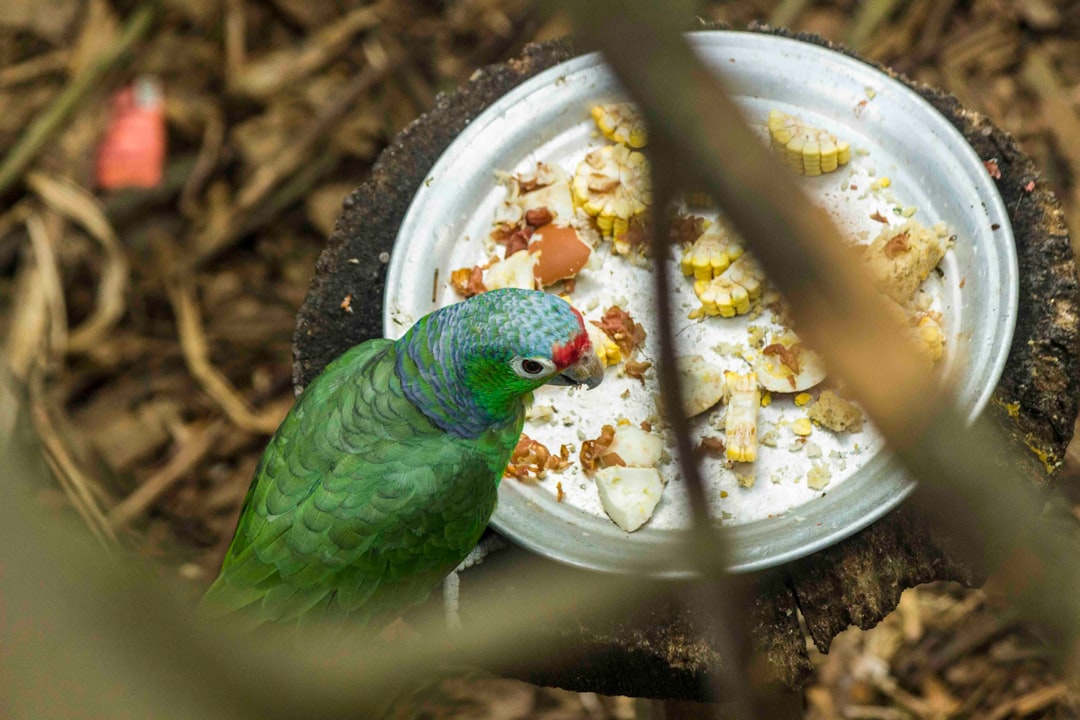
The Problem: Curiosity About Eating Bird Food
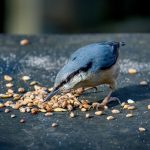
Ever found yourself staring at a bag of birdseed and wondering if it’s something humans can eat? You’re not alone. Many of us have been there, driven by curiosity or a desire to explore new dietary adventures. But what happens when you actually consider eating bird food?
Why This Matters: Understanding the Implications
Before Exploring a bowl of birdseed, it’s key to understand the implications. Bird food isn’t typically designed for human consumption, and while it might seem harmless, there are potential issues to consider. From nutritional content to safety concerns, eating bird food can pose unexpected challenges.
Solutions: Navigating The area of Bird Food
So, what if you’re still intrigued by the idea of eating bird food? Let’s explore some practical steps you can take to satisfy your curiosity safely.
Step 1: Know What’s in Bird Food
Bird food often contains seeds, grains, and sometimes nuts. While these ingredients are generally safe, it’s important to check for any additives or preservatives that might not be suitable for humans. Always read the label carefully.
Step 2: Consider Nutritional Value
Bird food isn’t formulated for human dietary needs. It might lack essential nutrients or be high in ingredients that aren’t ideal for us. If you’re thinking of incorporating bird food into your diet, do so sparingly and supplement with other nutritious foods.
Step 3: Start Small
Begin by trying small amounts to see how your body reacts. Some people might find certain seeds hard to digest or experience allergic reactions. Pay attention to how you feel and adjust accordingly.
Step 4: Consult a Professional
If you’re serious about adding bird food to your diet, it might be worth consulting a nutritionist. They can provide insights into whether it’s a safe choice for you and suggest alternatives that meet your nutritional needs.
Implementation Steps: Making Informed Choices
Once you’ve decided to explore this unique culinary path, it’s about making informed choices. Always prioritize your health and well-being over curiosity. Remember, not all bird food is created equal, and some might be more suitable for human consumption than others.
Practical Insights
From my own experience, the curiosity about eating bird food can lead to interesting discoveries. However, it’s essential to approach it with caution and awareness. Always prioritize safety and health, and when in doubt, seek advice from professionals.